When a dispute arises related to the purchase and sale of apartments, the parties need to take the following steps to resolve
When a dispute over an apartment purchase and sale contract occurs, the parties often sit together to reach an agreement to resolve the conflict. Buyers usually go through the Building Management Board or neighborhood groups to arrange negotiations with the investor.
However, these negotiations often go badly. The seller may abdicate its responsibility or not offer a dispute resolution plan. The negotiations may become intense because the two sides cannot find a common voice, affecting the performance of the contract and the interests of both parties. In fact, most of the negotiations did not achieve the desired results.
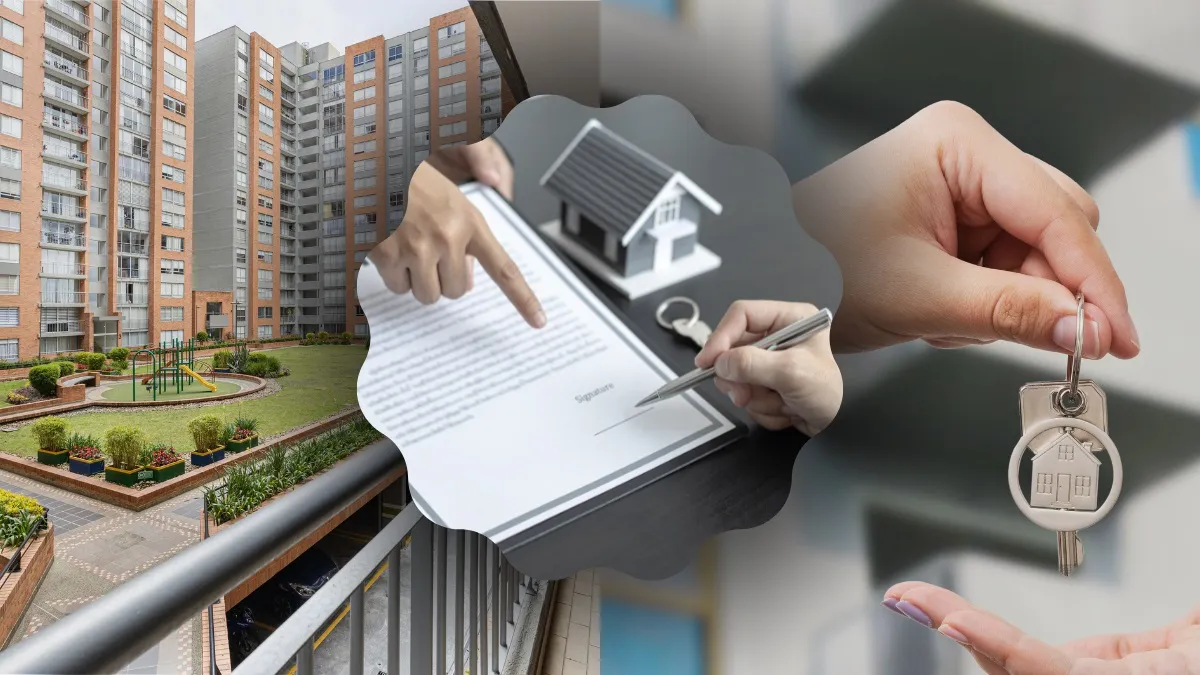
The mediation option is the top priority when resolving disputes over apartment purchase and sale contracts, although it has not been clearly stipulated for apartments. The head of the mediation team will assign a mediator to conduct mediation after receiving the request of the disputing parties. The participation of the mediator plays an intermediary role, helping the parties reconcile their interests. However, the effectiveness of this method is not high and is rarely implemented in practice

The Consumer Protection Division of the Department of Competition and Consumer Protection, Ministry of Industry and Trade supervises, issues warnings, receives complaints about violations and organizes dispute mediation. If any violations are detected, the Department will report and propose handling in accordance with the law. However, with the nature of advice, the Division could not thoroughly resolve the dispute, causing the parties to go to the competent People's Court for settlement

Initiating a lawsuit at the Court is the most thorough dispute resolution option, following the order and procedures specified in the Civil Procedure Code.
- Step 1: Submit a lawsuit dossier at the Court
After fully preparing the dossier, the petitioner can file the application directly at the Court, via postal service or send the dossier online. Each method has its own reception and confirmation process.
- Step 2: Pay the court fee advance and receive a notice of acceptance
After submitting a complete dossier, the plaintiff receives a notice of payment of court fee advance at the civil judgment enforcement agency. Within 7 days, the petitioner must submit a receipt to the Court. After completing the financial obligation, the Court will issue a notice of acceptance of the case
- Step 3: Participate in dispute resolution at the Court
The court conducts necessary procedural activities such as taking testimony, verification, gathering documents, and holding evidence examination and mediation sessions. The Court analyzes and explains the rights and obligations of the parties, tries to mediate so that the parties reach an agreement.
- Step 4: Open the court session to hear the case
After completing the proceedings, the Court will bring the case to trial and make a final judgment based on the review, research, and evaluation of the evidence.

- Petition
- Personal documents: identity papers, household registration book, power of attorney (if any)
- Documents of the defendant: identity papers, household registration book, operation license (if it is an agency or organization)
- Documents and evidences in the process of concluding contracts and settling disputes
The plaintiff is not required to submit all documents and evidence. Depending on each time and personal interests, the plaintiff may consider and choose the provision of appropriate documentary evidence.
Please contact us:
A DONG IP – TRANSLATION – CONSULTANCY COMPANY
Room F2&F3, No. 2 Phung Khac Khoan Street, Da Kao Ward, District 1, Ho Chi Minh City, Viet Nam
Tel: 84-28 3926 0120 – 39260125
Email: consultant@a-dong.com.vn; info@a-dong.com.vn
Website: a-dong.com.vn





.png&description=When a dispute arises related to the purchase and sale of apartments, the parties need to take the following steps to resolve&)